Largest Dominican Cross
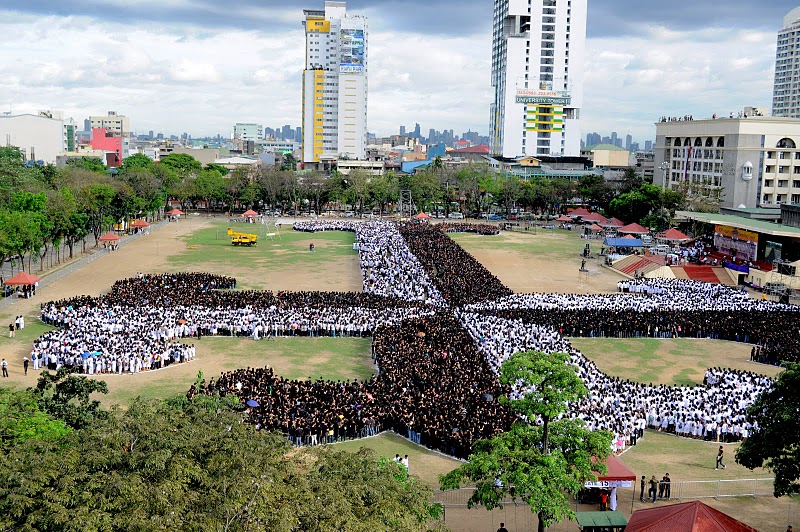
Santo Thomas University in Philippines
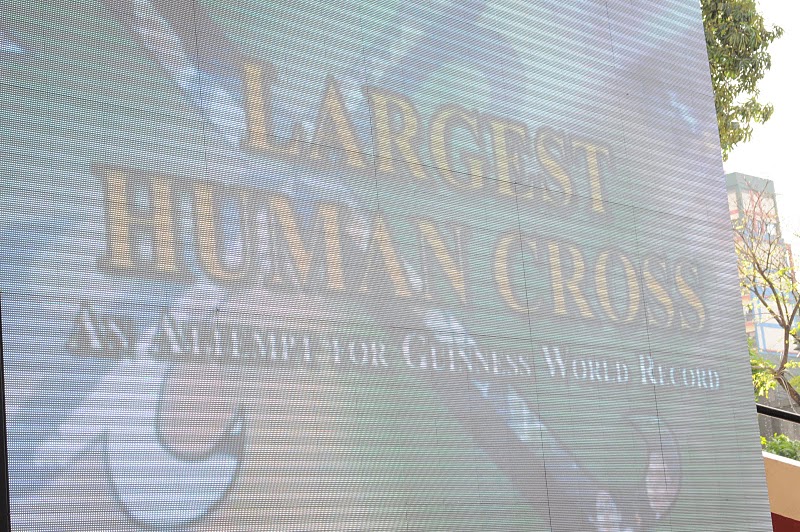
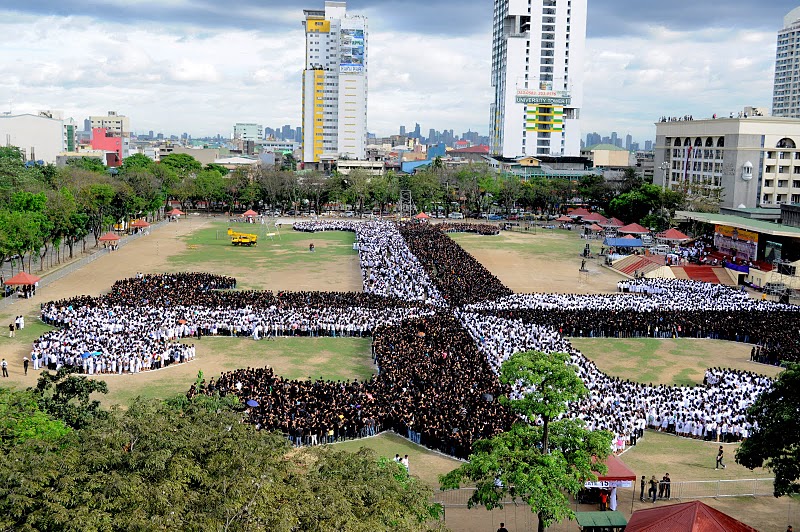
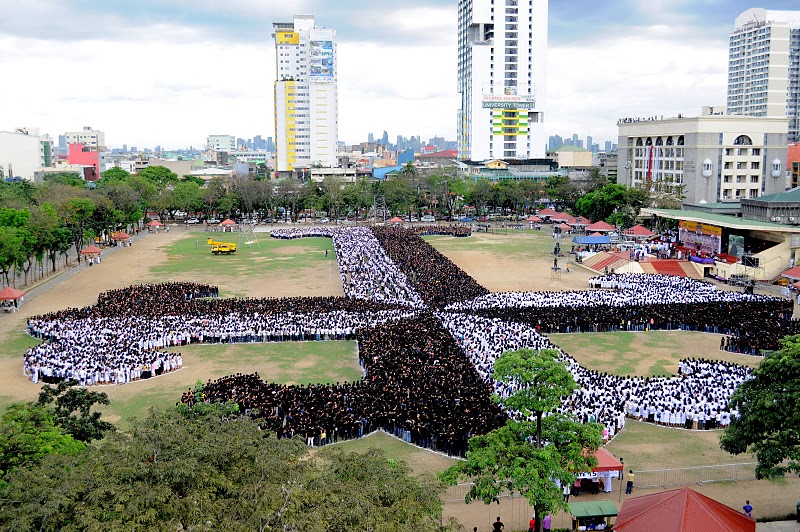
Largest Human Dominican Cross an attempt for Guinness World Record
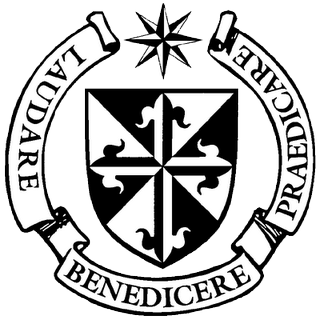
We would like to share with you some ground and aerial shots of the “Largest Dominican Cross†formed by the administrators, faculty, employees and students of the University of Santo Tomas (UST) yesterday, March 9, 2011. Twenty-four thousand people were present at the UST football field to form the black and white cross; it was an attempt to be included in the Guinness Book of World Records. This event was done to begin a season of prayer and penance this Lent, in line too with the Quadricentennial celebration of the University.

UNIVERSITY OF SANTO TOMAS CELEBRATES ITS 400TH
 The University of Santo Tomas (UST), Manila, celebrated its 400th Foundation Anniversary with profound gratitude, joyful hope and unending grace. The glorious Grand Week (January 24-28, 2011) of the UST Quadricentennial Celebrations included outstanding religious, academic and cultural events. The Grand Week or Semana Grande of the Royal and Pontifical University began in the evening of January 24 with a solemn Eucharistic celebration and closed in the evening of January 28 with a most solemn Mass and a banquet.
The UST week-long celebration was ushered in by the Opening of the Door of the University Chapel and Santissimo Rosario Parish Church turned through the year-long quadricentennial celebration into a Jubilee Church, where Thomasians, parishioners and visitors may gain plenary indulgences under the usual conditions. Cardinal Gaudencio Rosales, Archbishop of Manila, opened the door of the Church and presided over the Eucharist concelebrated by about seventy priests, most of them Dominicans. In his moving homily, the good Cardinal spoke well of the 400 years of history of the University of Santo Tomas, the oldest university in Asia and now the biggest Catholic University in the world, with forty two thousand students. Archbishop Rosales highlighted some salient points in the history of the university, above all its essential role in shaping the Filipino nation and the Philippine Church. The University counts among its illustrious roster of alumni heroes, leaders and saints, including fifteen martyrs of the faith that constitute UST’s purest glory.
 On the second day of the UST Grand Week, the 10th ICUSTA Conference – attended by the members of the association and representatives from Catholic Universities throughout the world – opened with a High Mass, followed by the inaugural session at the UST Chapel, now the Jubilee Church. (ICUSTA stands for International Council of Universities of Saint Thomas Aquinas.) Archbishop Edward Joseph Adams, Apostolic Nuncio to the Philippines, presided over the concelebrated Eucharist. The Keynote Address was given by Ninoy Aquino III, President of the Republic of the Philippines. While the Apostolic Nuncio focused in his homily on the essential role of UST, the Catholic University of the Philippines, in the local Church and other Asian Churches, the President of the Philippines centered his speech on the University’s leadership role in Philippine education through four hundred years. The inaugural session of ICUSTA started with the warm welcoming words of Fr. Rolando V. de la Rosa, OP, UST Rector and closed with the reading of a unique resolution by the Philippine Congress, which praised the University’ s remarkable history and thanked the university community for its outstanding work in molding the youth of the nation. Another highlight of the inaugural session was the Message of the Master of the Dominican Order, Fr. Bruno Cadoré, OP, who thanked the Dominicans in the Philippines and encouraged them to continue their mission in education and evangelization.
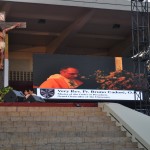
On the third day of the UST Grand Week, January 26, the ICUSTA Conference continued. Moreover, in the morning, thousands of students from the different colleges of the University held a street dance on the streets around the university. It was a scene to see and enjoy – even the noise sounded joyful and youthful!
In the evening of the third day another great event took place: the Unveiling of the Quattromondial Monument found between the back of the UST Main Building and the Benavides Central Library, at the UST Quadricentennial Park. The monument, the latest landmark of the University campus, captures well the motto of the 400th Anniversary, namely, “UST Building the Church, the Nation and the Family, Our Birthright and Destiny.â€Â The monument of bronze-glass and ten-meter-high was made by renowned UST alumnus Ramon Orlina. It is composed of four larger-than-life human figures in bronze representing a male and a female student, a teacher and a Dominican friar. Sculptor Orlina explained that “the four figures represent the four centuries of excellence, erudition, spirituality and tradition that the university has displayed and inspired in every one of its stakeholders.â€Â The four youthful standing figures –with their backs against each other – hold a globe, with their raised-up hands to express the universality of the University, the interconnectedness of peoples and cultures. 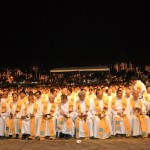 Three significant texts in Latin encircle the figures from top to bottom: the name of the University (Universitas Pontificia and Regalis Santi Thomae Aquinatis), the motto of the Dominicans (Contemplari et contemplata aliis tradere), and the focus of human and Christian education: work ethics and love (fideles in labore, proficientes in caritate).
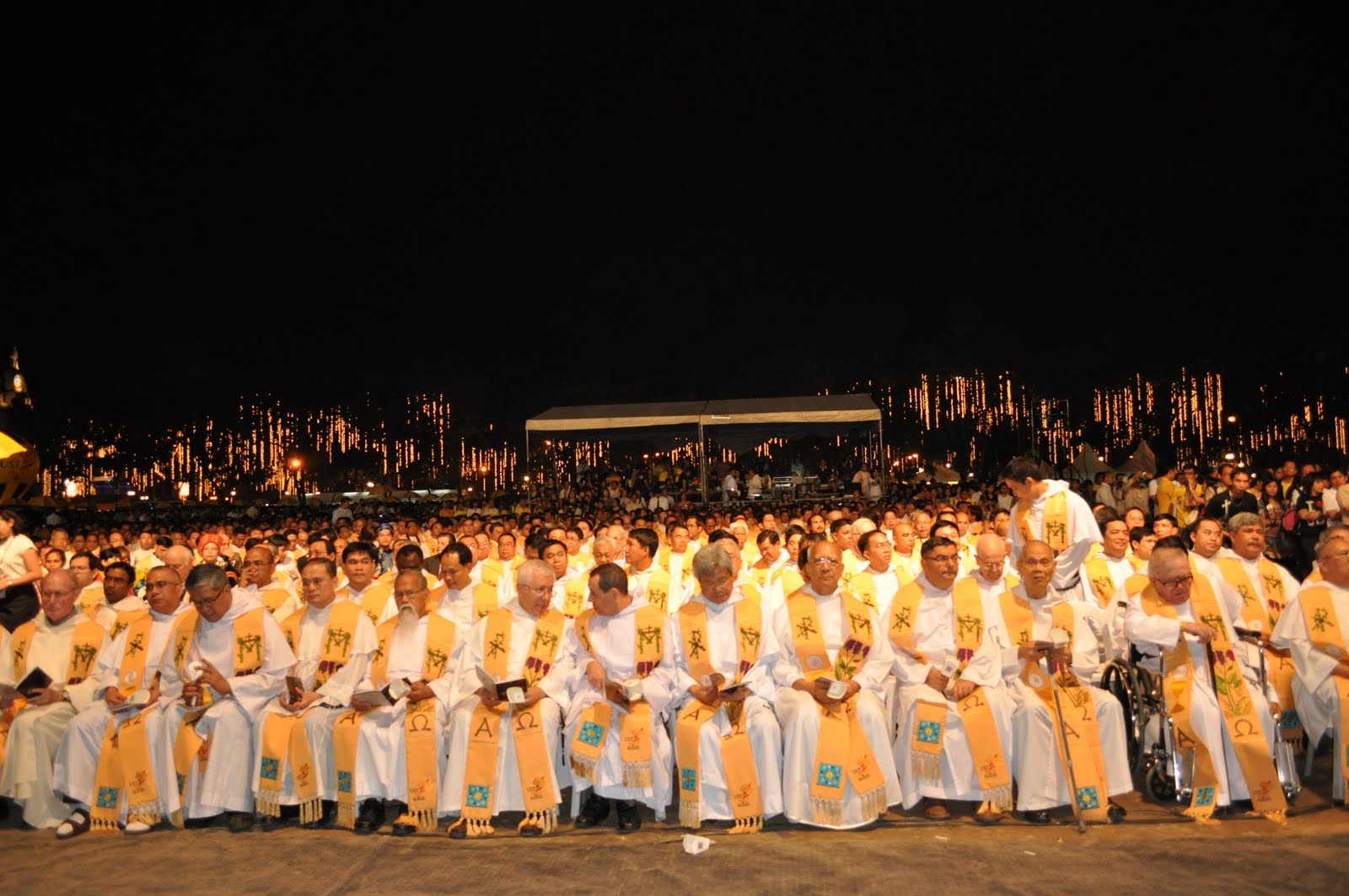
The greatest day of the UST Grand Week was the Quidricentennial Day: January 28, the feast of St. Thomas Aquinas, Patron of the University. It was crowned by the Quadricentennial Mass, preceded by colorful Philippine folk dances and powerfully animated by the Symphony Orchestra and Choir of the UST Conservatory of Music. The solemn Thanksgiving Eucharist celebrated at the UST Grandstand and Open Field was presided by Cardinal Zenon Grocholewski, Prefect of the Congregation for Catholic Education and Legate of Pope Benedict XVI. Filipino Cardinals Ricardo Vidal and Gaudencio Rosales, the Apostolic Nuncio to the Philippines, the Master of the Dominican Order, Fr. Quirico Pedregosa, OP, Prior Provincial of the Philippine Dominican Province, about 100 bishops, over one hundred Dominicans, nearly five hundred other religious and secular priests concelebrated with the Papal Legate. The Mass was attended by tens of thousands of Thomasians, parishioners, and friends of the University. In his homily, Cardinal Grocholewski spoke gratefully and admiringly of the great history of the University of Santo Tomas, particularly for the Philippine Church and other Asian Churches. He also referred to St. Thomas Aquinas and underlined three points in the life of the
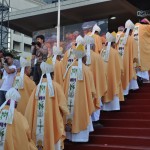
Angelic Doctor, namely, his unique gift to harmonize faith and reason, his admirable humility and his exemplary fidelity to the Church.
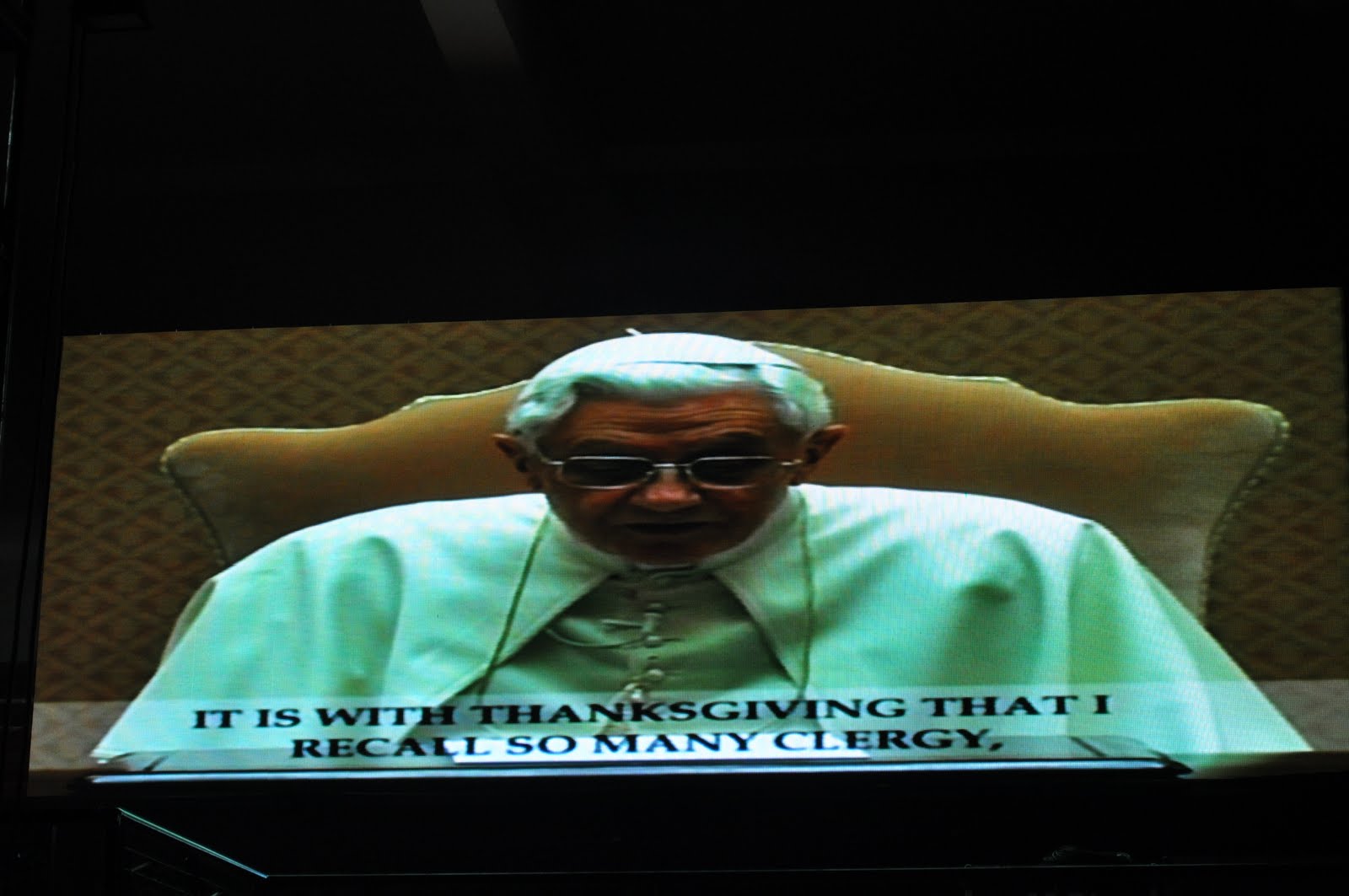
The most awaited moment of the Eucharistic celebration was the taped video appearance and Message of Pope Benedict XVI, who was received with a thunderous applause and followed by a respectful silence. After hispaternal greeting to all, the Holy Father acknowledged the great importance of the event and recalled with gratitude the memory of the Founder of the University Bishop Miguel de Benavides and of the Dominicans who through 400 years guided well the University of Santo Tomas. Benedict XVI sees a very important role for the University and is convinced that it will continue contributing to the intellectual, spiritual and cultural enrichment of the Philippines and other countries. Invoking the memory of UST’s Patron, St Thomas Aquinas, the Holy Father ended his message with his Apostolic Blessing to all.
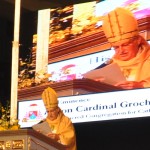
Before the end of the Eucharist, Fr. Rolando de la Rosa, OP, UST Rector expressed the deep gratitude of the University to all those who made this wonderful day possible. He mentioned in particular, the members of the Dominican Province of Our Lady of the Rosary, for  their important contribution through the 400 years of the University’s history.
A banquet in the 24-hectare campus for the whole university community followed the Eucharist. The day was capped by a short but colorful and elegant display of fireworks. As professors, alumni,
students and administrators were leaving the campus, one sentiment stood out: all seemed happy and proud, outrageously happy and unabashedly proud for being Thomasians at 400!
The yearlong celebration of the 400th year foundation anniversary of the University of Santo Tomas continues – and with its unending grace. (FGB)
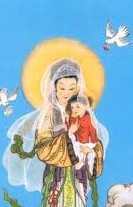
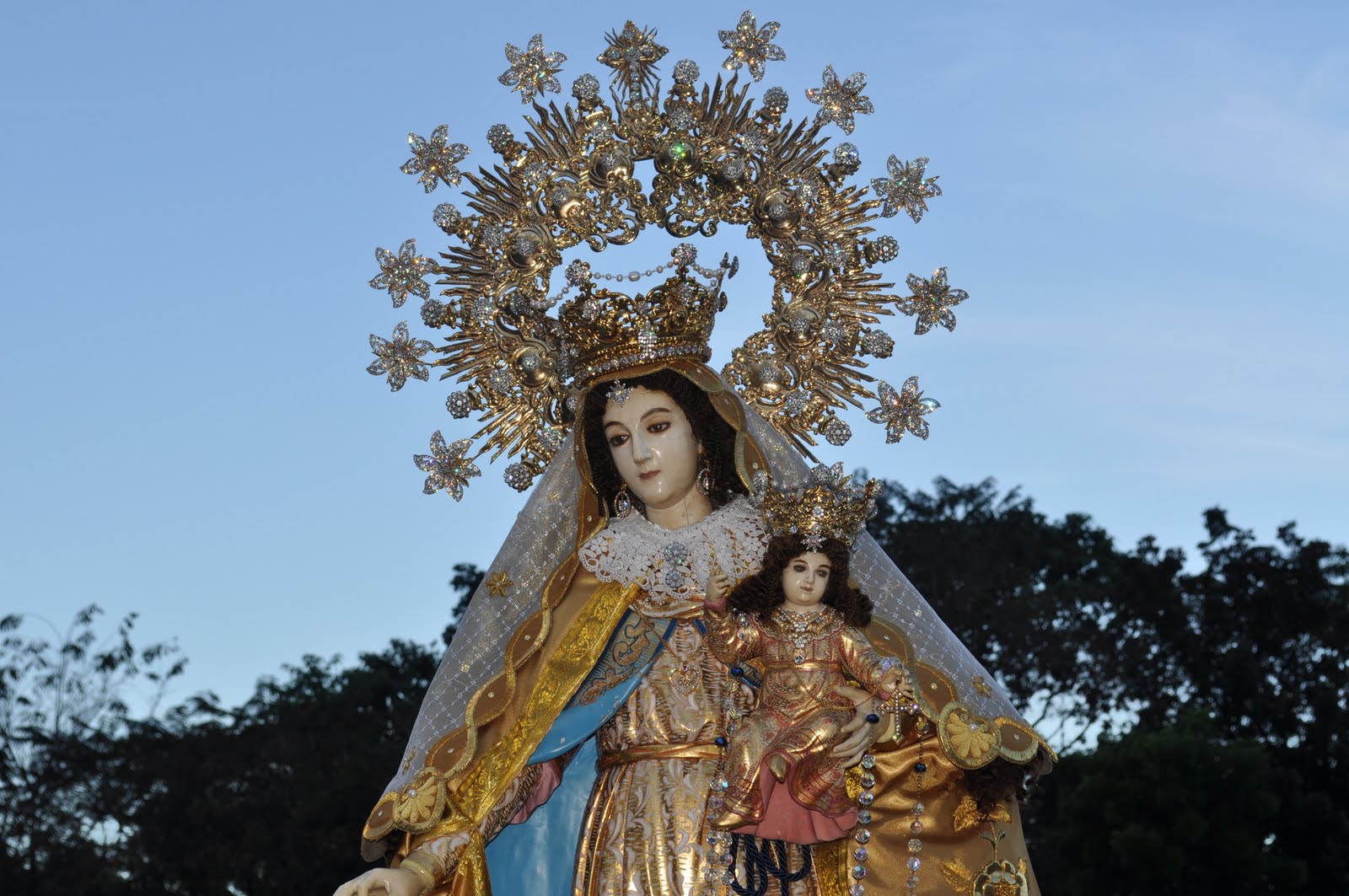
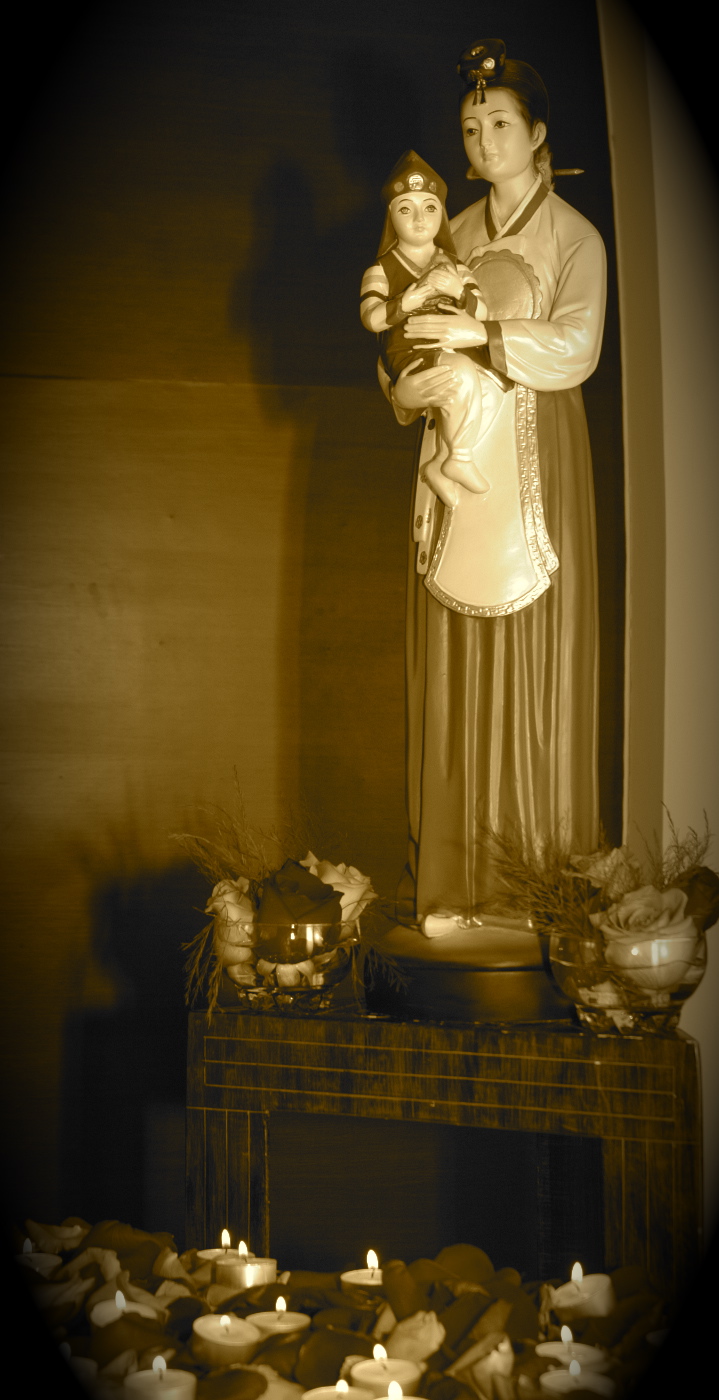
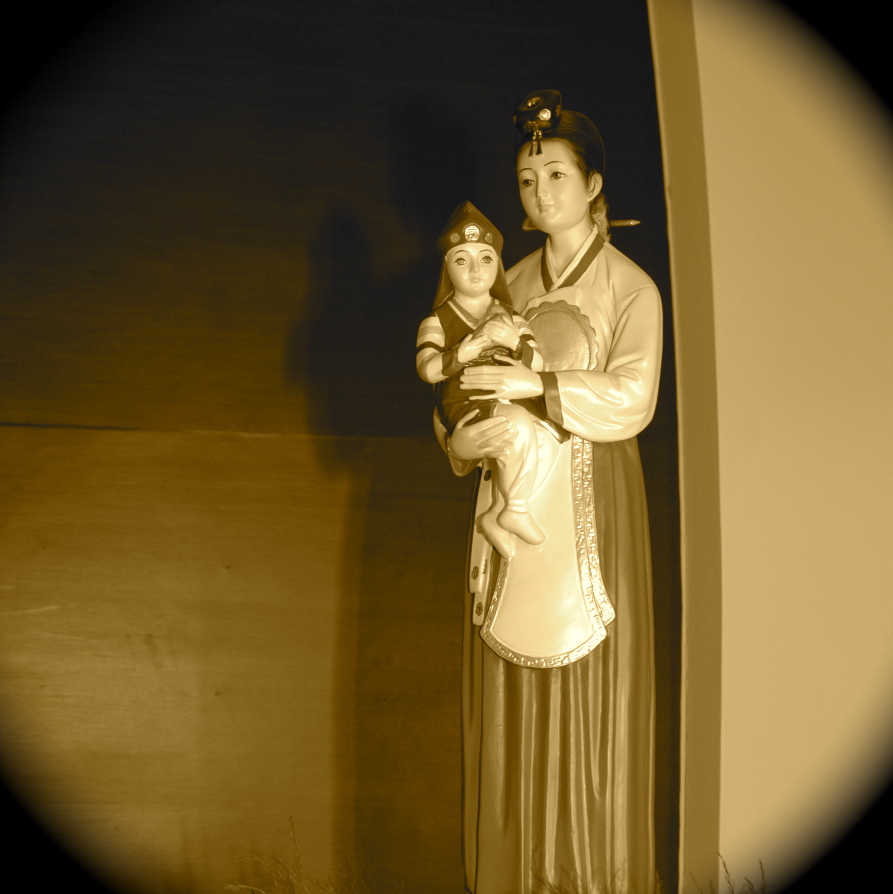
Feast of the Blessed Virgin Mary, our Lady of China
(Diocese of Macau: Spring Festival; Diocese of Hong Kong and the rest of the GCA: Saturday prior to Second Sunday of May)
Entrance Antiphon
Mary became the mother of the eternal king, she maintained the glory of her virginity and was worthy of the joy of motherhood.(P.T.: Alleluia)
Collect
All powerful and eternal God,
You chose Mary as the mother of your Son, and our mother.
Grant we beseech You, that by her prayers,
You may bless the billions of Chinese people with peace and prosperity,
so that the whole Chinese nation would know, love and serve you.
We ask this through Christ our Lord your Son,
who lives and reigns with you and the Holy Spirit,
One God, forever and ever. Amen.
Alleluia antiphon
Mary, you are the glory of the Church,
the pride of your people; you have brought us joy.
Prayer over the gifts
Merciful Father, receive the gifts which we offer on your altar today,
in union with our nation, our families, our lives and properties,
our work, our joys and pains;
Through this sacrifice, may we follow Mary’s example,
to find joy in making sacrifice and to offer everything for you.
We ask this through Christ our Lord. Amen.
Post communion
Lord, we have received the sacred body of Your Son on this feast;
through the intercession of Mary, our Lady of China, protect our nation
so that we may follow the example of Mary’s virtue
and faithfully love and serve you.
We ask this through Christ our Lord. Amen.
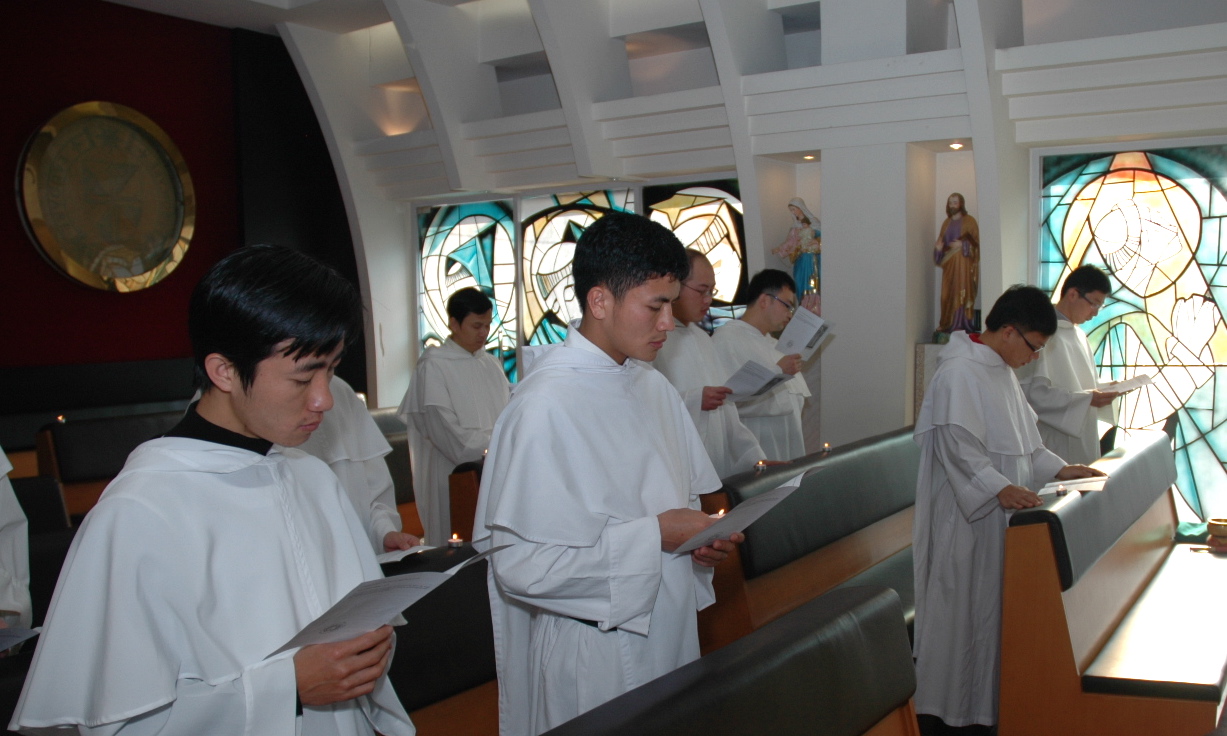
Candle mass: Day of Consecrated Life
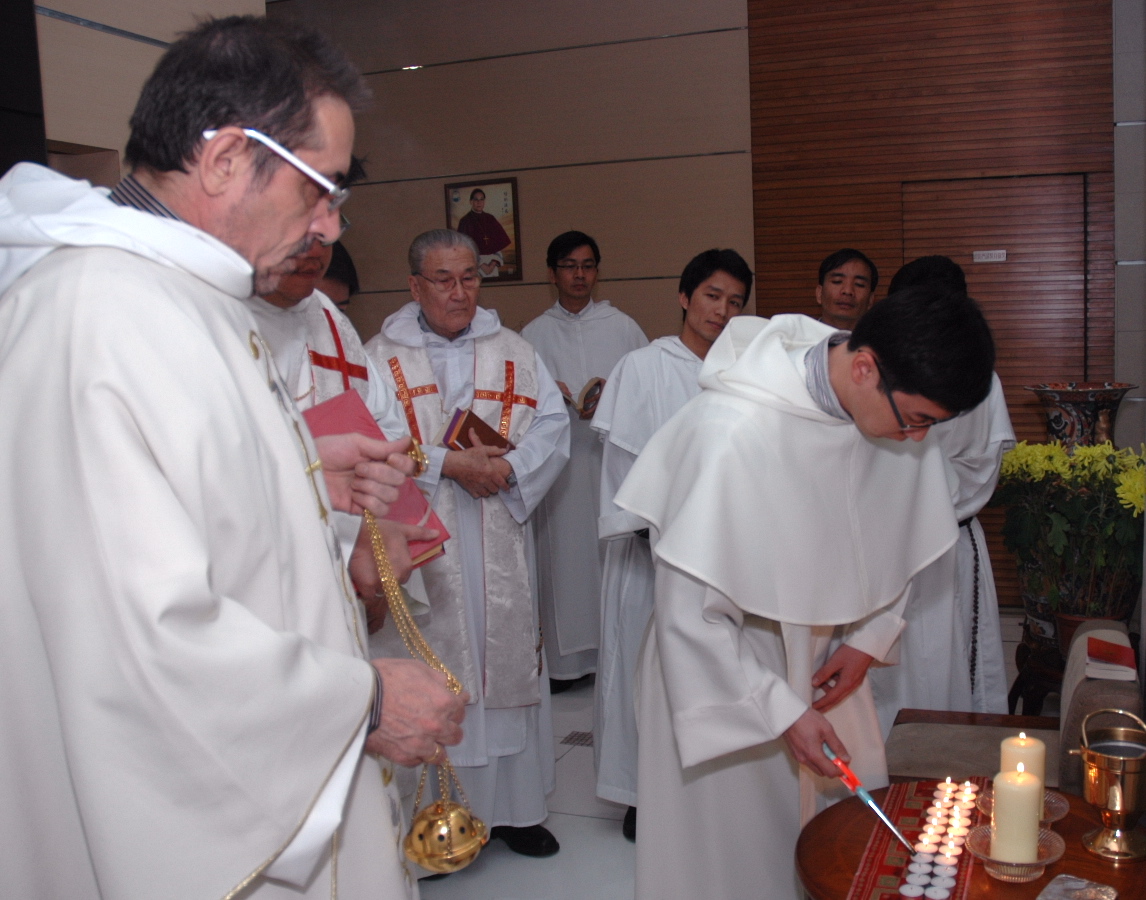
Blessing candles
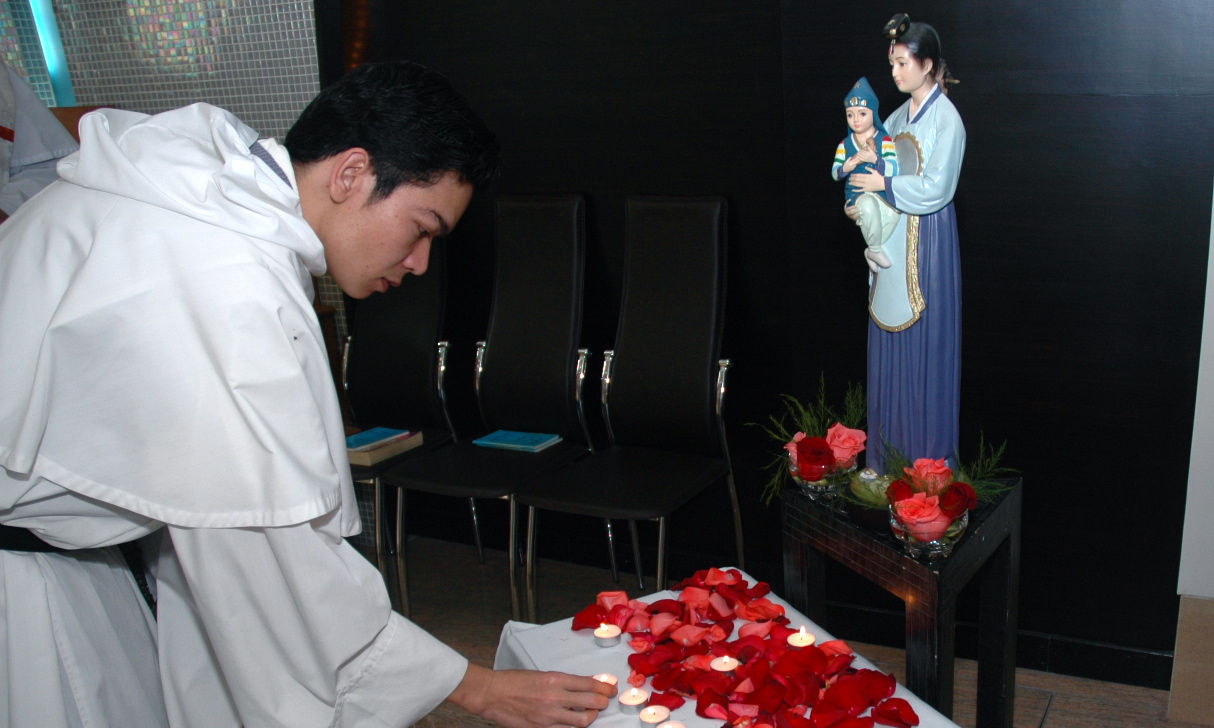
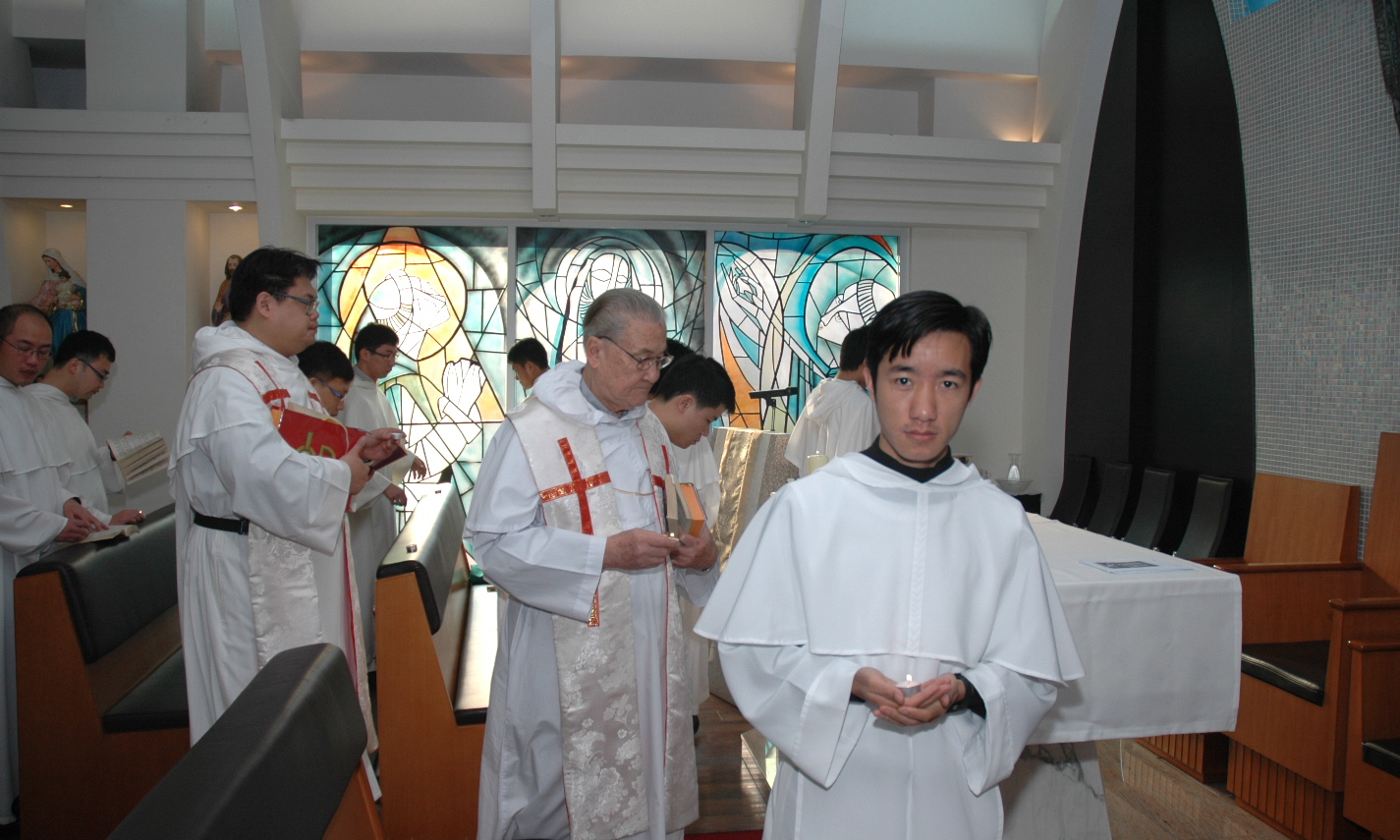
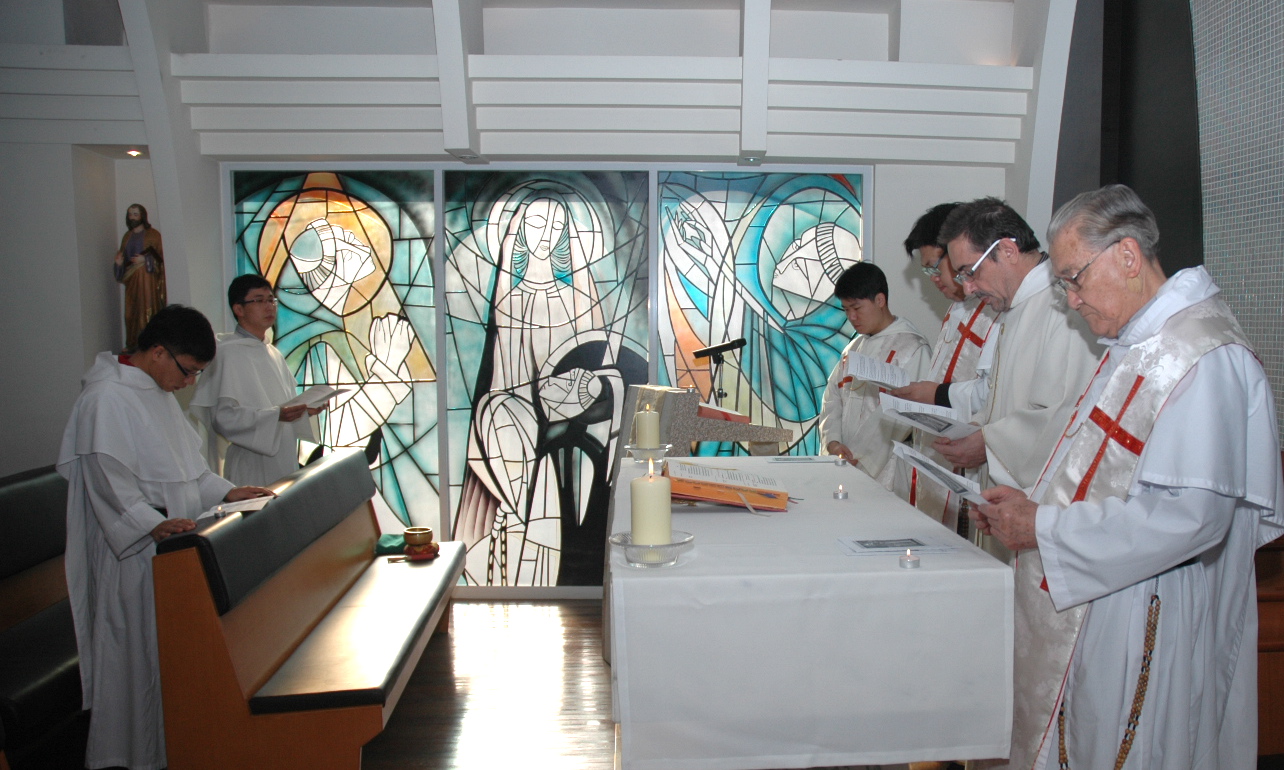
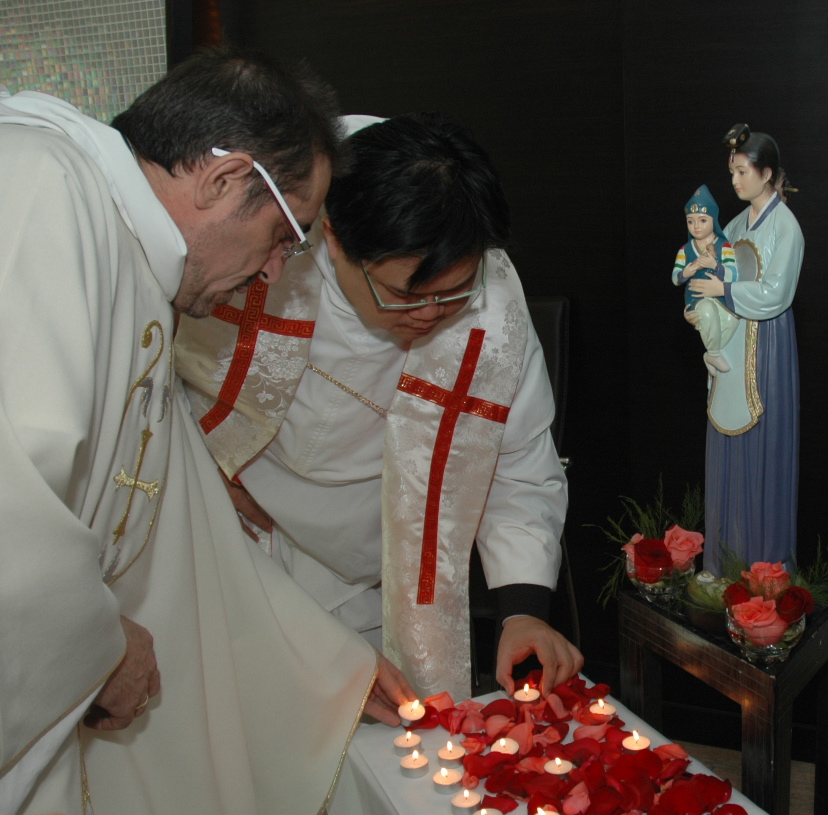
The friars of St Dominic’s Macau celebrated the Feast of the Presentation of Jesus in the Temple or the Candle mass with a solemn mass and a special thanksgiving for the gift of consecrated life. In accordance to the liturgical custom, the community congregated at the hall of the priory where the Prior, Fr. Alex blessed the candles and lead the solemn procession to the chapel. In his homily, reminded us of the meaning of the feast and how the principal actors of this mystery relate to our own lives as consecrated men. The sense of marvel and awe of Joseph and Mary, the thankfulness of Simeon and the joyfulness of Anna. All of them did not forget to proclaim the wonders of what they have seen and experienced.
Renewal consecrated life
In reference to religious life, he reiterated the four watch words of our life as Dominicans: come and see, go and preach… we cannot go out if we do not come to Him, to Jesus… and we cannot preach if we have not seen and experienced the salvation and the love of God to others. And at the same time he invites all of us to reflect how we live our vocation and how we should be thankful for it.
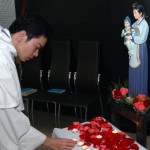
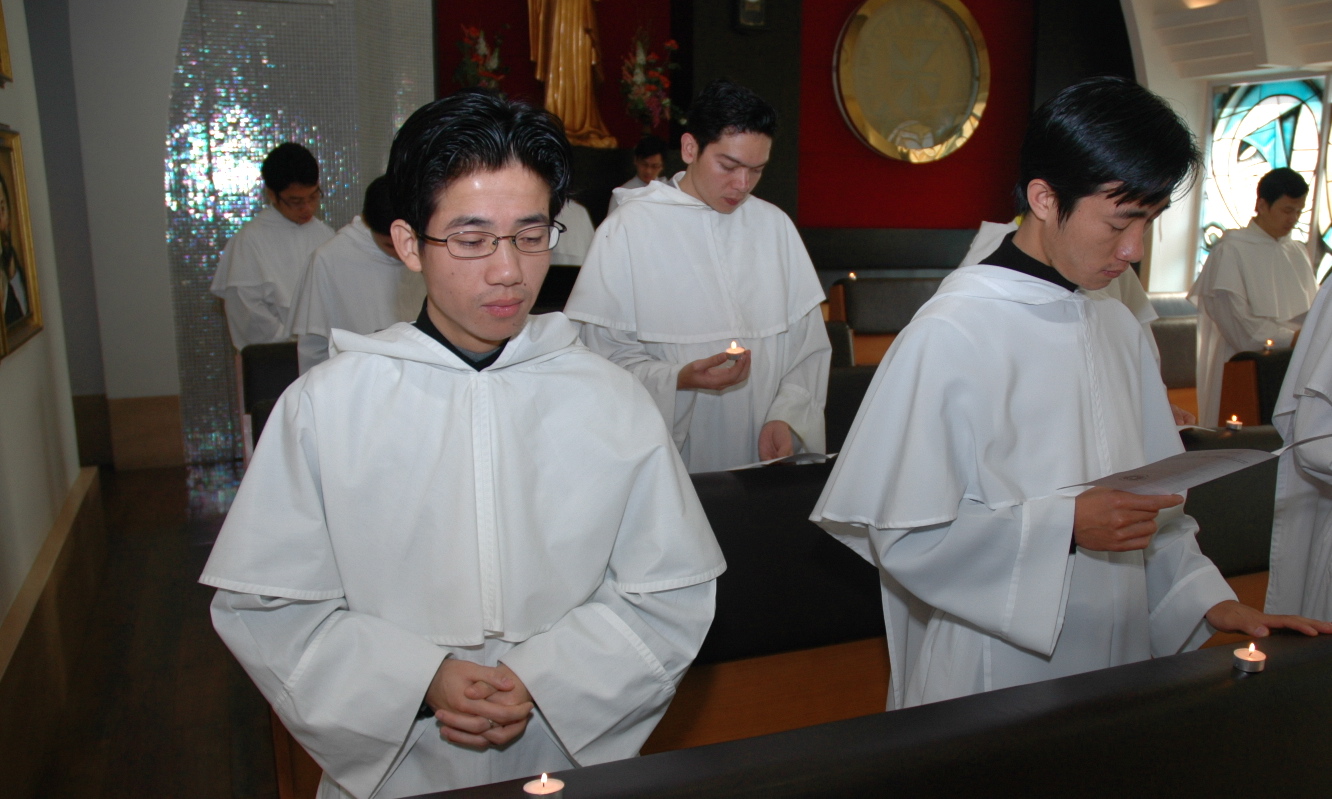
Offering candel to Our Lady
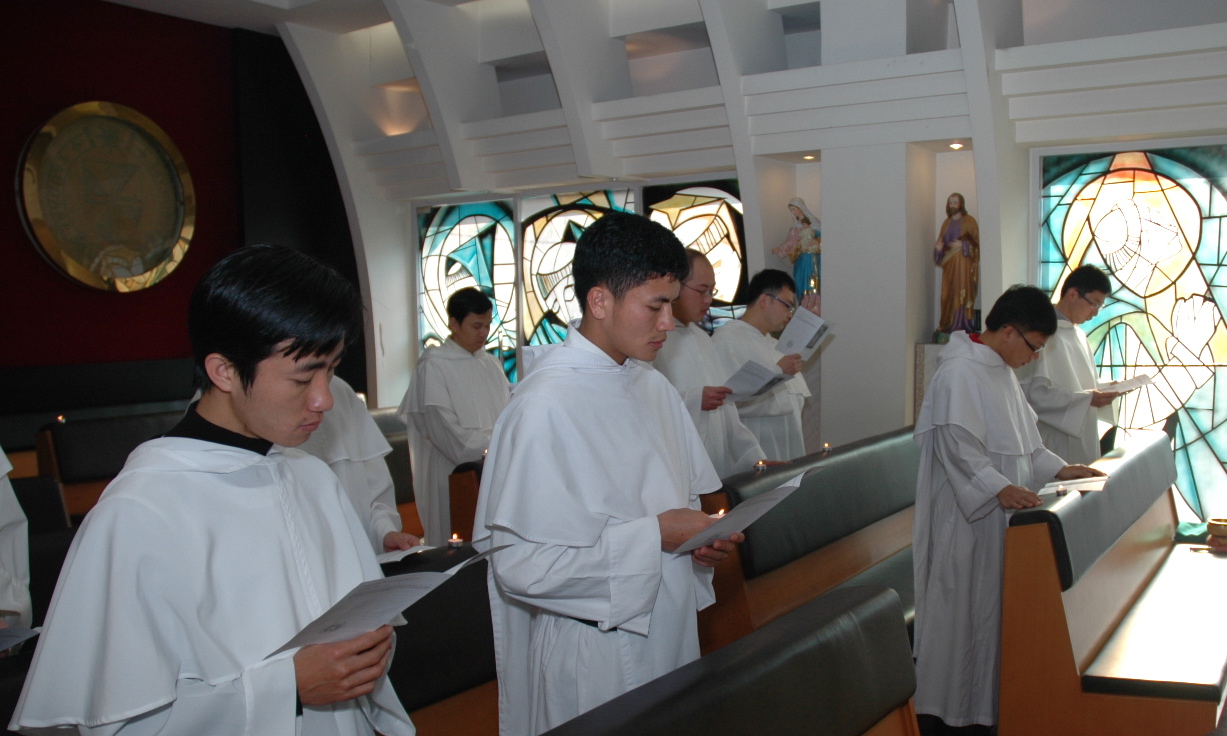
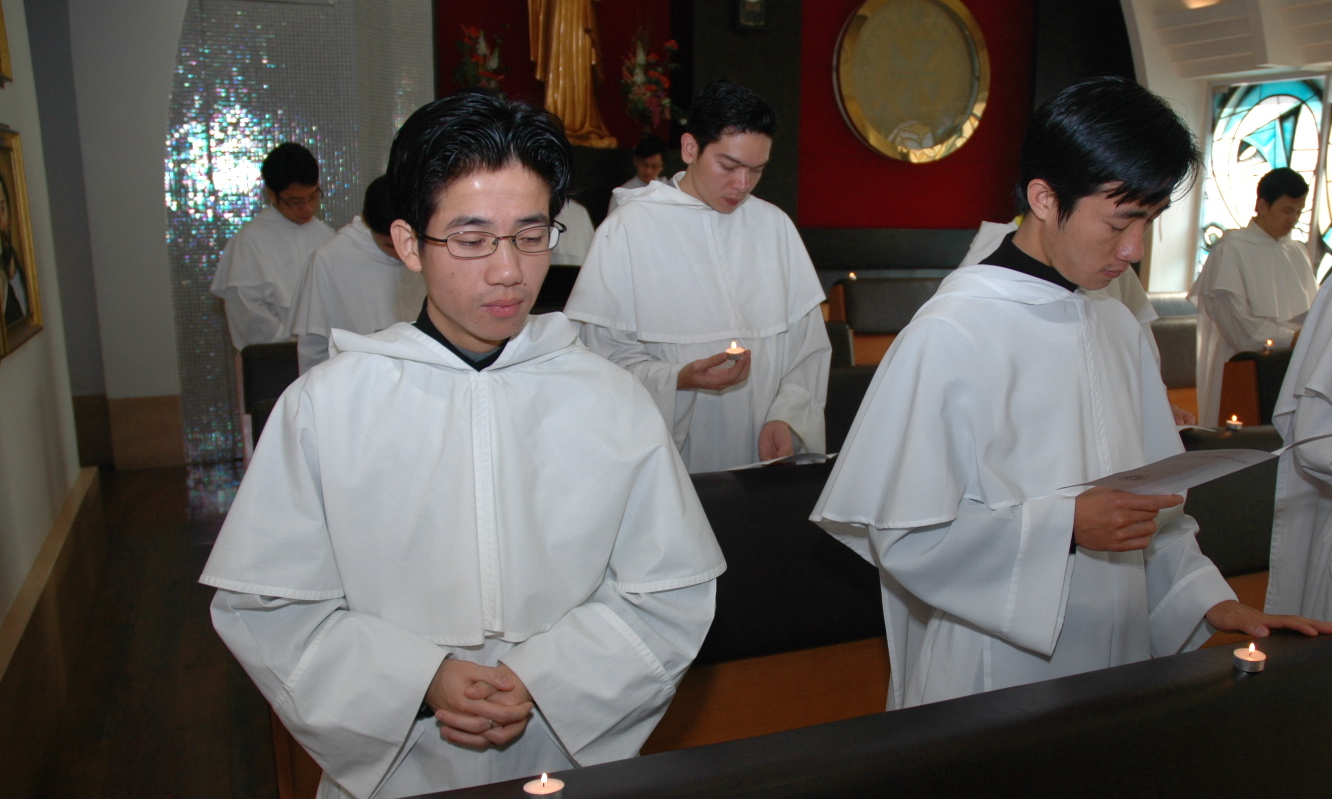
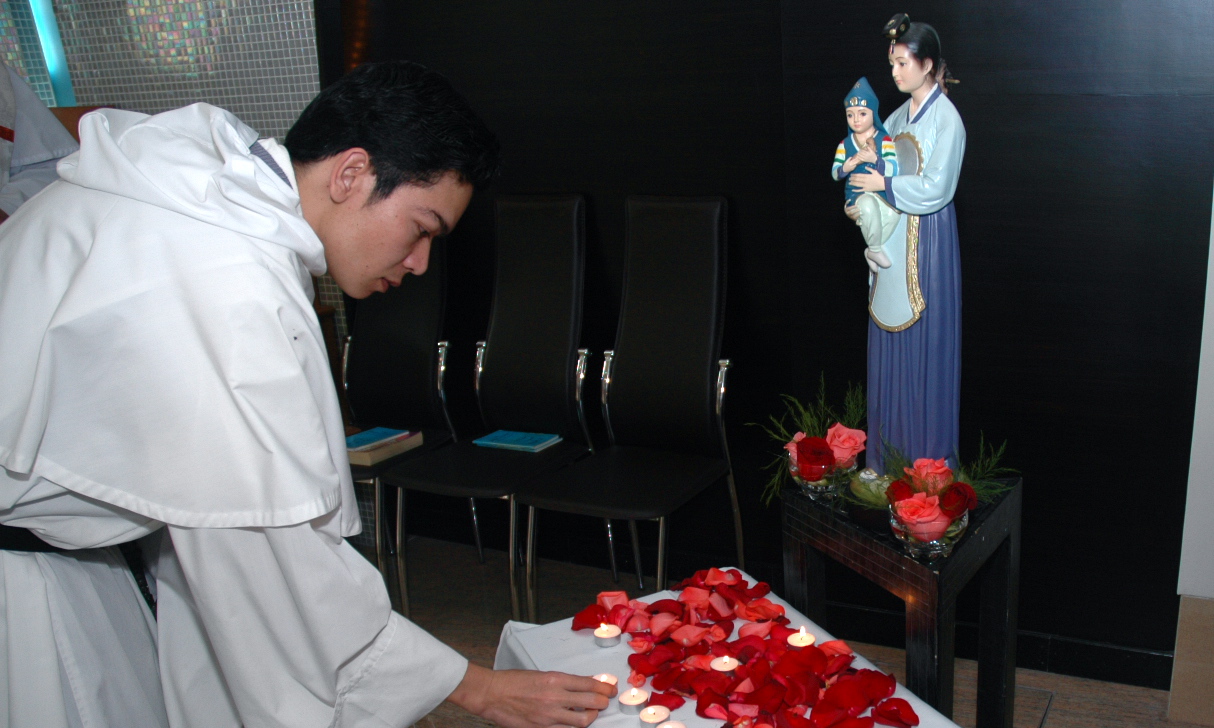
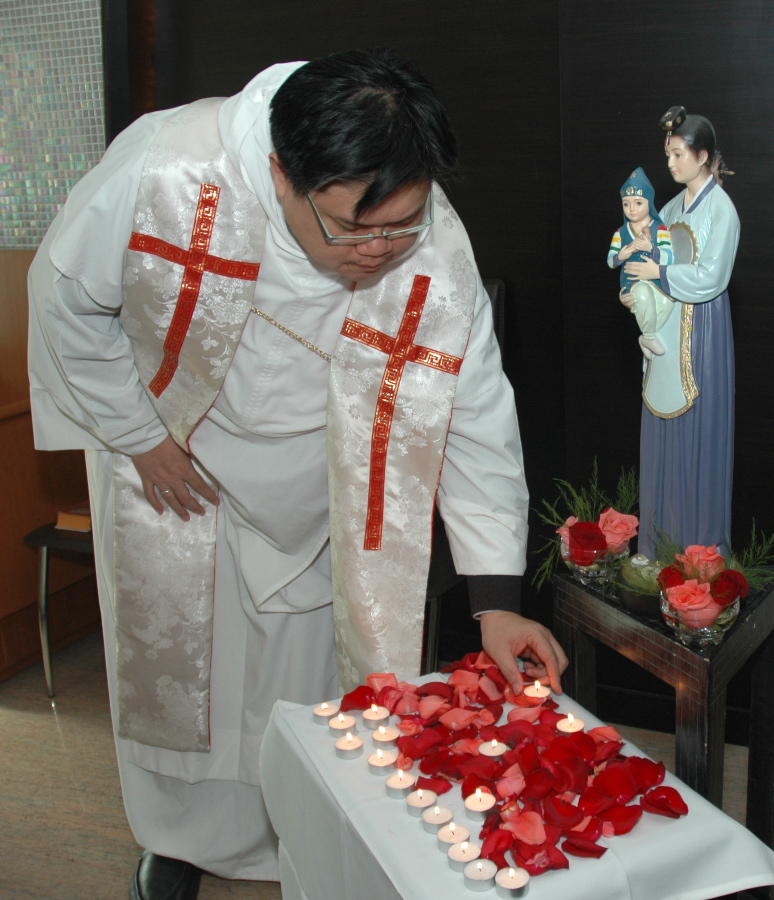
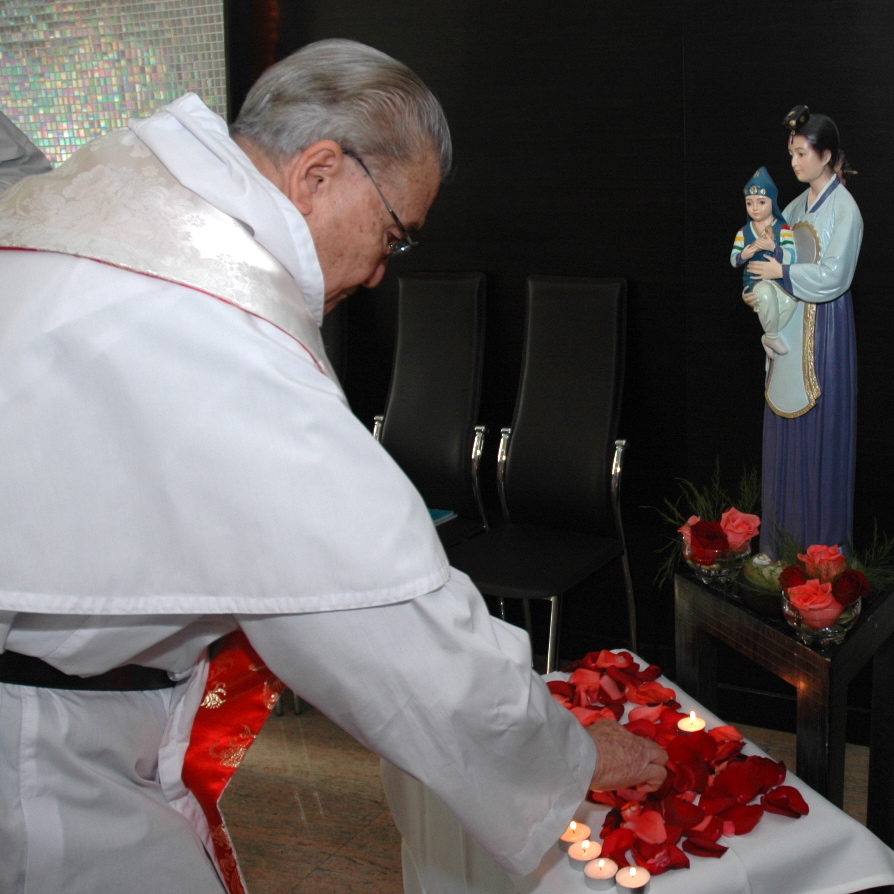
After the simple and soul searching homily, the community once again lighted their candles and celebrated a thanksgiving rite in the form of intercessory prayers and the brothers placed their candles at the feet of the image of the Virgin as sign of their offering of self to God through the hands of our Lady. At the end of the mass, the community chanted the beautiful canticle of Simeon reminding us that salvation had finally come upon us!
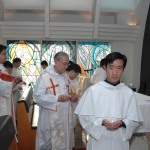
Entrance
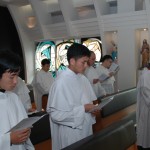
Day of consecrated life
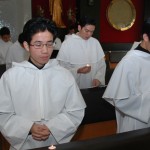
Day of consecrated life
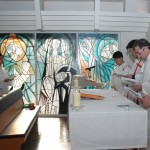
Day of consecrated life
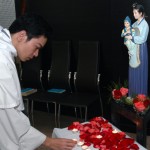
Day of consecrated life offering candle to Our lady
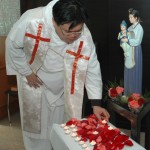
Day of consecrated life offering to Our lady
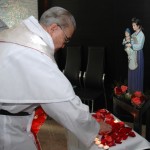
Day of consecrated life offering candle to Our lady
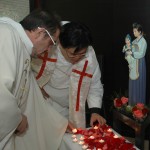
Day of consecrated life offering candle to Our lady
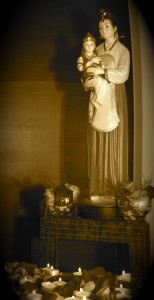
Day of Consecrated life to Our Lady